
Have you ever paid for a mold, waited for samples, and then watched your clear folding boxes arrive with a different color, a thinner wall, or a structure that cannot stand on the shelf? You are not alone. In this guide, we walk through the decisions that actually matter when sourcing a custom clear plastic folding box, so you can avoid the mistakes that cost other buyers time and money.
Why This Matters in 2026
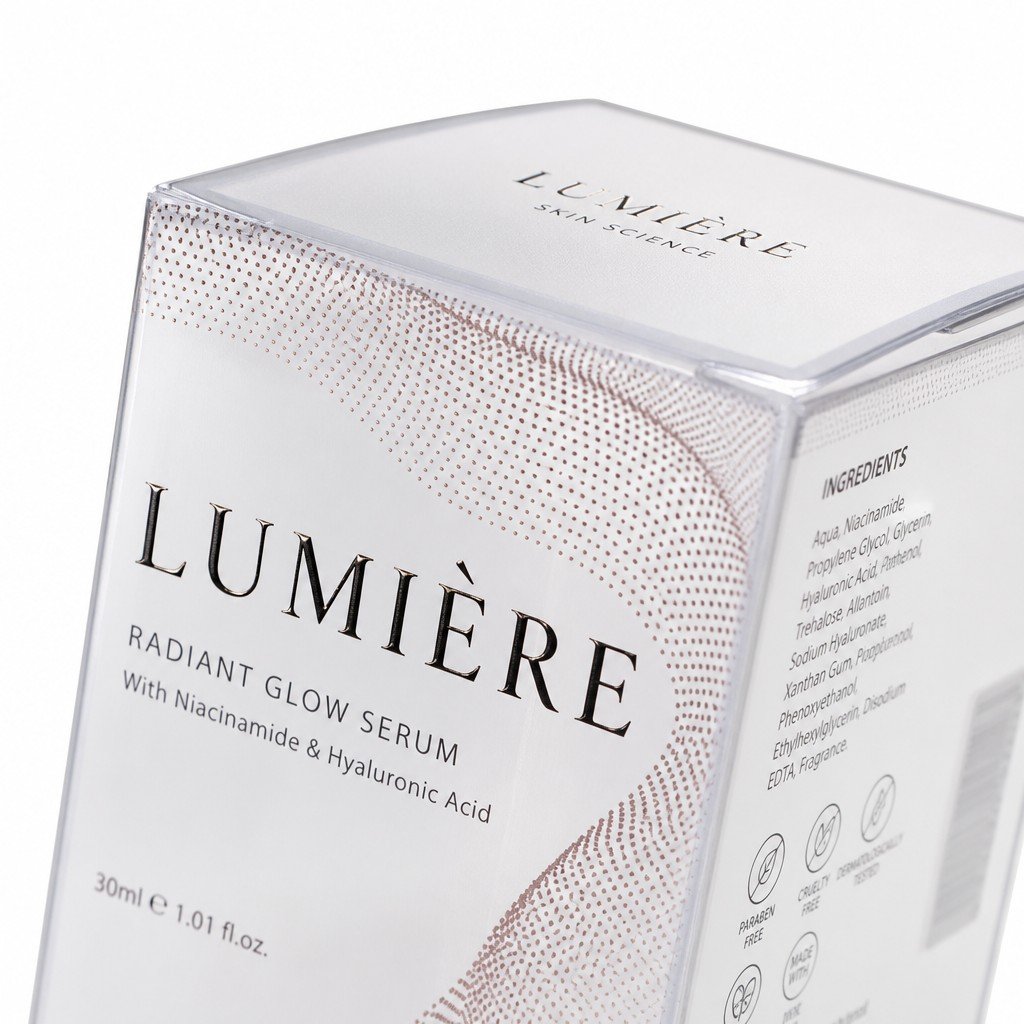
Retailers are demanding transparent packaging more than ever, and e-commerce brands are following because clear boxes photograph well and build trust. However, the market is also crowded with suppliers offering very different quality at very different prices. Without a clear decision framework, buyers routinely overpay for material, approve the wrong structure, or end up with boxes that collapse in the store.
Your Decision Guide: Material, Thickness and Structure
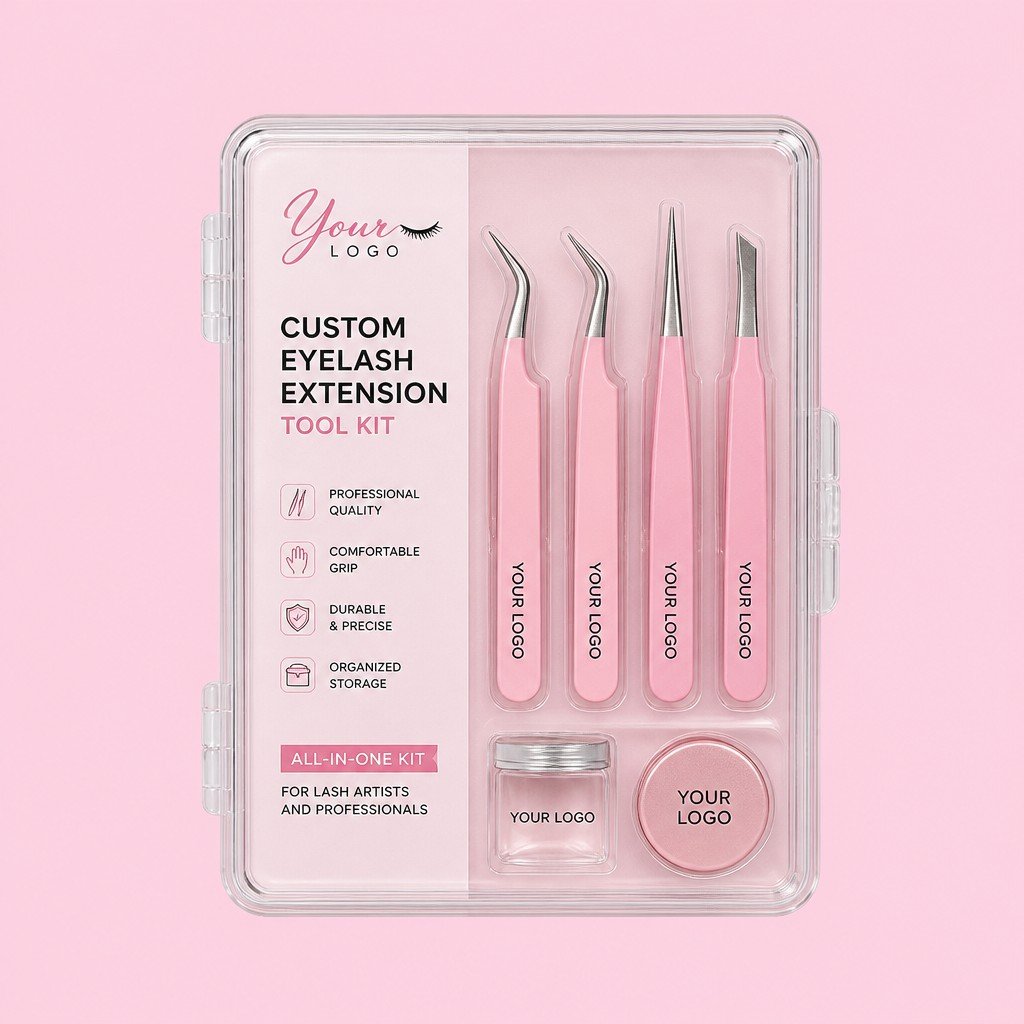
Three choices define your box: the material, the sheet thickness, and the folding structure. PET gives the clearest, most recyclable finish; PVC is the most economical; and PP adds heat resistance for food items. As a rule of thumb, light products such as eyelashes and cards work well from 0.14 mm, while tools and electronics need 0.3 mm or more to stay rigid.
| Decision | Options | Key Consideration |
|---|---|---|
| Material | PET / PVC / PP | Clarity, cost, recyclability |
| Thickness | 0.14 – 0.75 mm | Product weight and box height |
| Structure | Auto-lock / tuck-end / lid-base | Shelf display and assembly speed |
| Printing | UV offset / silk screen / foil | Brand image and budget |
Common Mistakes to Avoid
- Choosing a wall that is too thin. A tall box in 0.14 mm will sag on the shelf. Solution: let the supplier calculate minimum thickness from your product weight.
- Approving print without a physical proof. Colors shift between screen and plastic. Solution: always approve a printed sample, not just a digital proof.
- Assuming the cheapest quote is a deal. Some suppliers switch PET to PVC or reduce thickness after you pay. Solution: specify material and thickness on the order in writing.
- Ignoring freight cost. Folding boxes ship flat; a supplier who quotes on assembled volume is overcharging you. Solution: confirm flat-pack dimensions and incoterm.
How to Judge Whether a Supplier Is Reliable
Before you commit, check four things: certifications, factory scale, transparent process, and sample quality. Xilong Packaging is an ISO 9001, BSCI, FSC and GRS certified factory established in 2000, running a 6,000 square meter plant with 100+ workers and a daily capacity of up to 500,000 pieces. Our process is published openly: an 8-hour quotation, a 3 to 5-day sample service, a 7 to 15-day production lead time, and sample approval before mass production. See our certifications and factory story for independent detail.
Get a Free Quote Within 8 Hours
Send your product dimensions and target quantity. No obligation – our engineers will recommend the right material, thickness and structure.
Frequently Asked Questions
1. We are a small brand and our order is small. Can you still work with us?
Yes. We support market-testing orders with samples first, then scale up once your product sells. Tell us your volume and we will structure the price accordingly.
2. What exactly does your quotation include?
Our quotation breaks down material, printing, finishing, packaging and freight options separately, so you can see exactly what you are paying for and adjust any line item.
3. What if my sample and mass production look different?
That should never happen. We lock the approved sample as the production standard and keep batch test reports on file for every order.
4. How do we know our artwork stays confidential?
We sign NDAs on request and keep your artwork and mold files under controlled access. Your design belongs to you.
Still Comparing Suppliers? Let Us Help You Decide
Send us your product and we will respond with a clear recommendation and quotation within 8 working hours.
Stay Updated on Packaging Trends
Get monthly packaging trends, new product releases and industry tips. No spam, unsubscribe anytime.