What Are Magnetic Gift Boxes Made Of?

A Comprehensive Material Guide

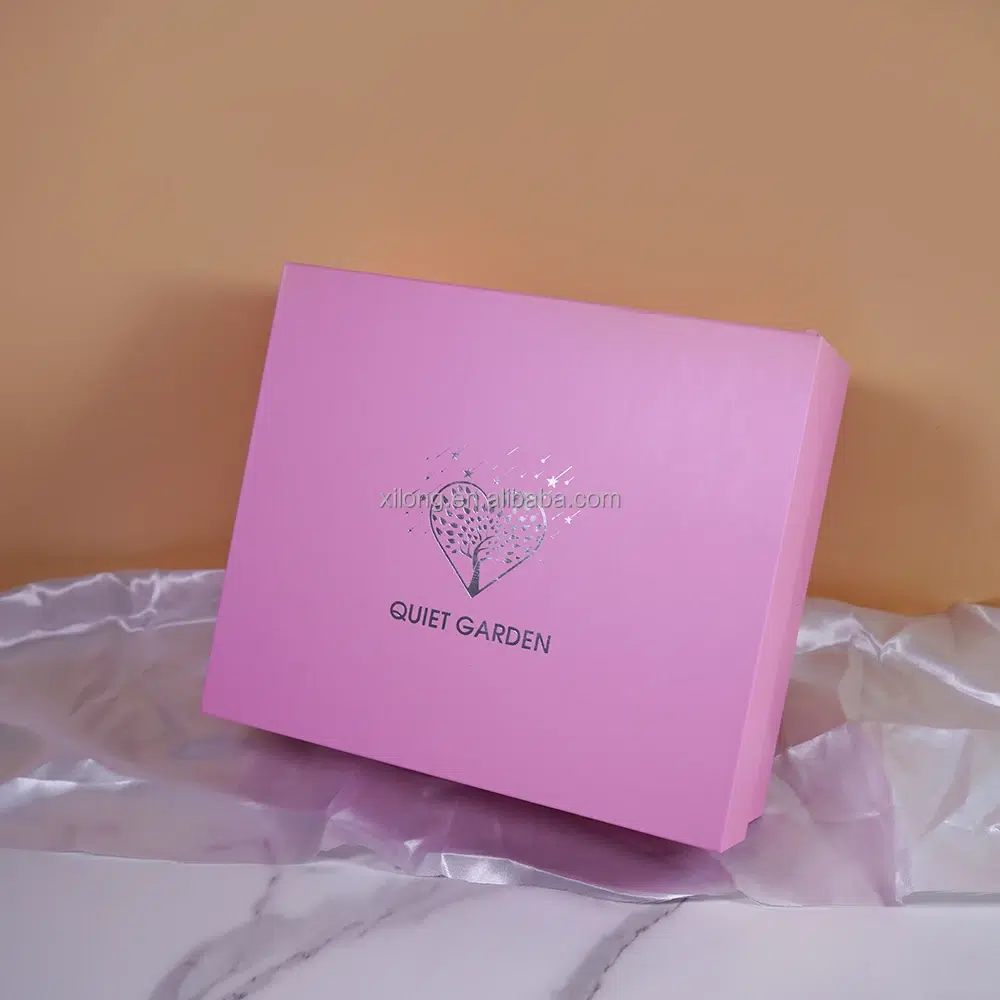
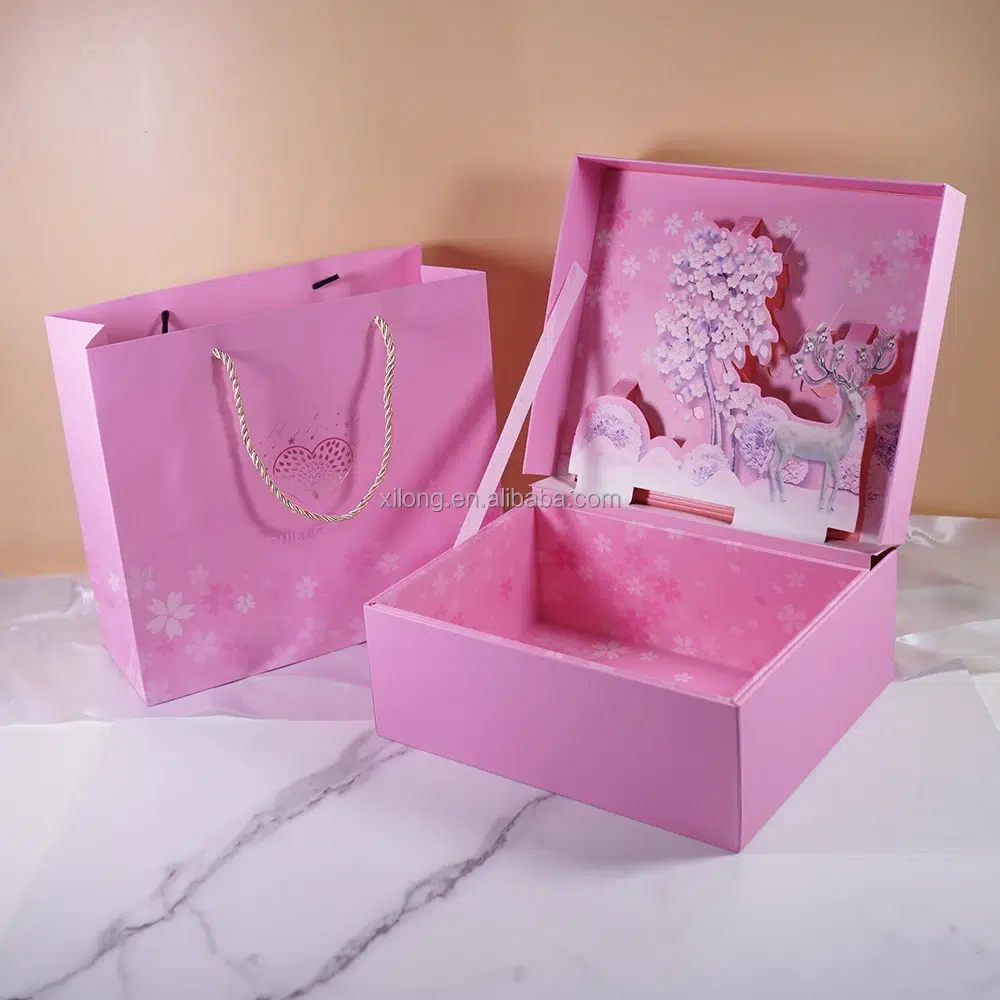
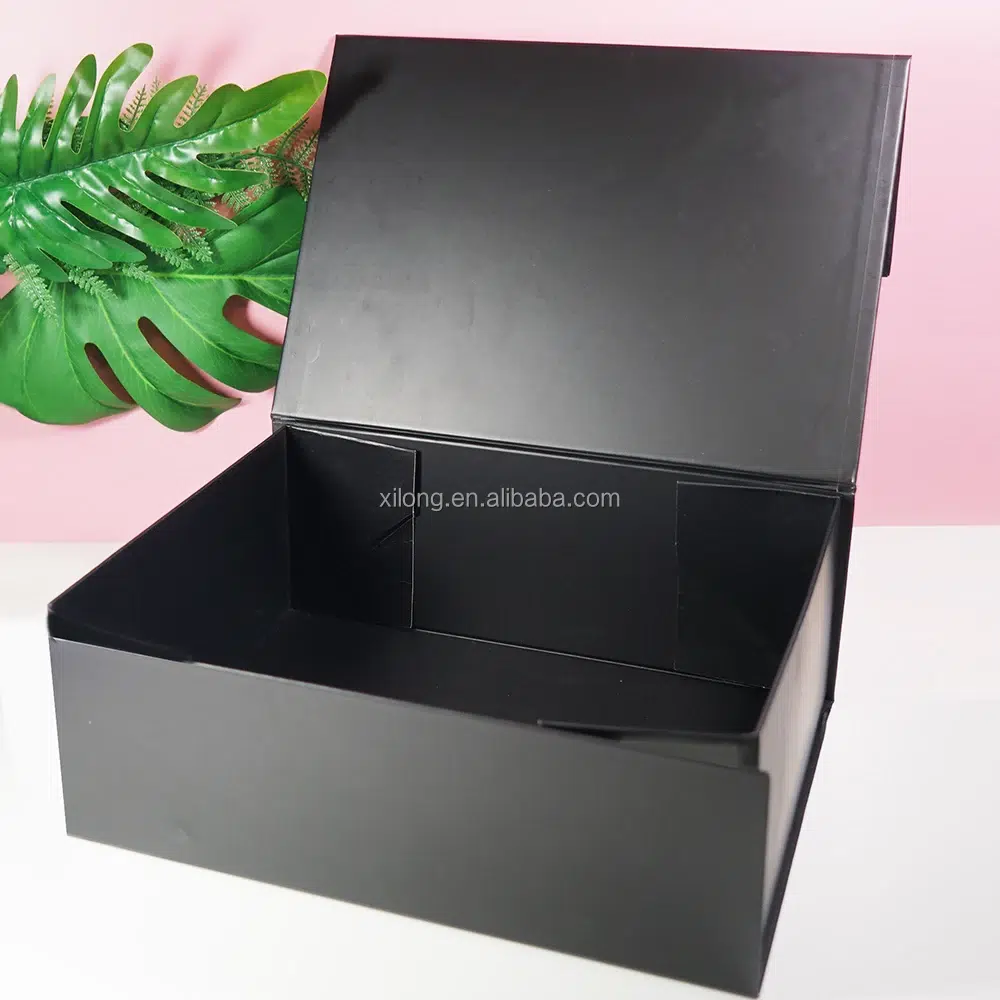
Magnetic gift boxes have become the gold standard for premium packaging, offering an unrivaled unboxing experience. That satisfying snap of the lid closing isn’t just about the magnet; it’s the result of a sophisticated combination of materials engineered for luxury and durability.

If you’ve ever wondered what gives these boxes their sturdy feel and elegant appearance, you’re in the right place. This guide will break down the anatomy of a magnetic gift box, layer by layer, so you can understand exactly what you’re investing in.

The Core Structure: A Multi-Layer Construction

Unlike simple cardboard boxes, magnetic gift boxes are built like a high-quality book cover. They consist of several layers laminated together to create a rigid, durable structure. Here’s a step-by-step breakdown:

Layer 1: The Outer Surface Material (The "Face" of Your Brand)

This is the first thing your customer sees and touches. It defines the box's aesthetic and texture.

  • Art Paper / Coated Paper: A smooth, white paper with a clay coating that provides a perfect, bright surface for high-definition printing. Ideal for vibrant colors and sharp graphics.

  • Textured Paper: Options like linen, felt, or laid paper add a tactile, premium feel. These materials often look and feel more artisanal and can hide minor fingerprints.

  • Kraft Paper: For a natural, eco-friendly, and rustic aesthetic. It prints beautifully with simpler designs and conveys a sustainable brand image.

  • Specialty Papers: Metallic, pearlescent, or holographic papers can be used to create a striking visual impact without additional processing.

Layer 2: The Inner Core (The "Bones" of the Box)

Sandwiched between the outer and inner layers, this is what gives the box its rigidity and strength.

  • Gray Board (or Chipboard): This is the most common and critical component. It’s a thick, dense paperboard made from recycled paper. Its thickness is measured in points (pt) or grams per square meter (gsm):

    • Low End (~1.5-2mm / 600-800 gsm): Suitable for small, lightweight items.

    • Standard (~2-2.5mm / 800-1100 gsm): The most common choice, offering a great balance of stiffness and cost.

    • Premium (~2.5mm+ / 1100+ gsm): Used for large boxes or extremely heavy products, providing a truly luxury heft.

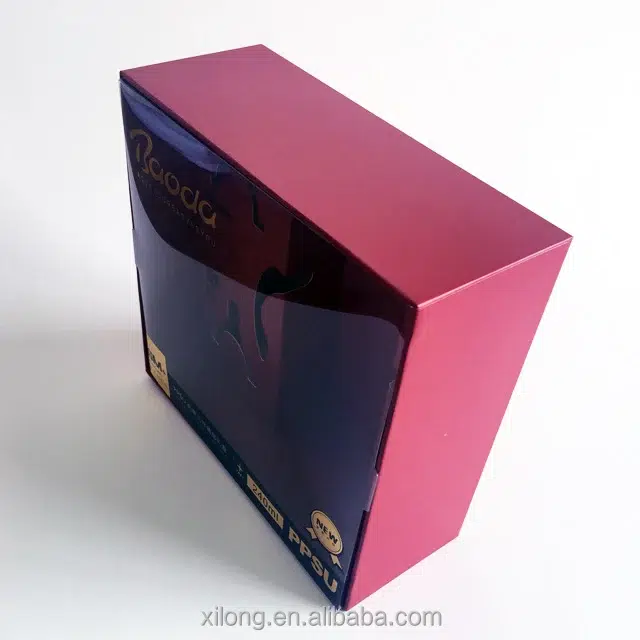
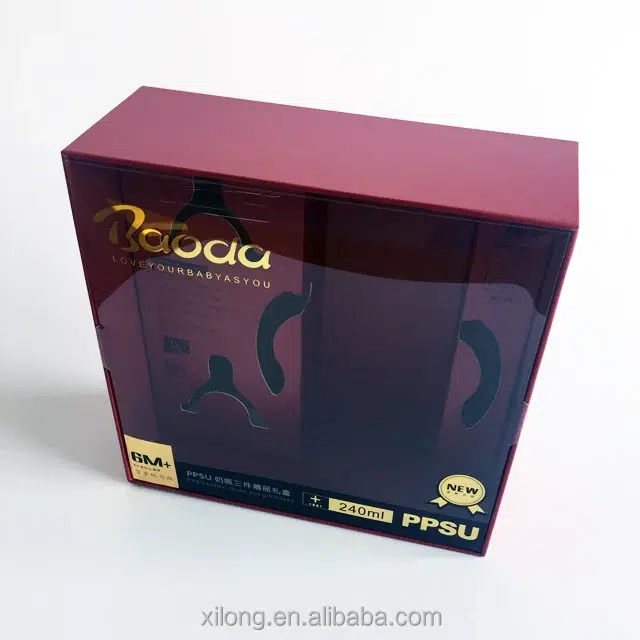
Stand Out with Clear Acetate Boxes

The inside of the box is covered with a material that protects the product and enhances the unboxing experience.

01.

Glossy or Matte Art Paper

A clean, white finish that makes the interior look bright and pristine.

02.

Colored Paper

Matches your brand colors for a cohesive look.

03.

Flocked Suede/Felt

A velvety material that provides superior cushioning and an ultra-luxurious feel, often used for high-end jewelry and watches.

04.

EVA Foam

A soft, plush foam that offers exceptional protection for fragile items.

The Star of the Show: The Magnetic Closure

The closure is what defines this box type. It’s not just a simple magnet slapped on; it’s an integrated system.

The Magnets Themselves:

  • Ferrite (Ceramic) Magnets: The most common and cost-effective choice. They are strong enough for most small to medium boxes and are encased to prevent corrosion.

  • Neodymium (Rare Earth) Magnets: These are significantly stronger for their size. They are used for larger, heavier lids where a very secure closure is needed. They are more expensive but provide a more powerful “snap.”

The Housing:

The magnets are never just glued directly onto the raw board. They are precisely inserted into a pocket die-cut into the gray board core during manufacturing. This ensures they are perfectly flush with the surface and protected from damage. The outer and inner lining papers are then laminated over them, creating a seamless, clean look.

The Manufacturing & Assembly Process

Understanding how it's made clarifies why the materials matter.

  1. Die-Cutting: The laminated board (outer paper + gray board) is cut into the precise shape of the box base and lid using a custom-made die. The magnet pockets are also cut at this stage.

  2. Magnet Insertion: The magnets are securely placed into their pre-cut pockets.

  3. Lamination: The inner lining material is glued over the entire structure, sealing the magnets in place.

  4. Folding & Gluing: The box is folded along pre-scored lines, and its seams are glued to form the final, rigid structure.

Why This Material Combination is a Marketing Powerhouse

For your e-commerce business, this isn't just packaging; it's a marketing tool.

  • Perceived Value: The weight and rigidity immediately signal “high quality,” justifying a premium price point.

  • Brand Reinforcement: The high-quality print surface turns the box into a keepsake, extending your brand’s reach.

  • Customer Delight: The tactile experience of the magnetic closure creates a memorable unboxing moment that is often shared on social media.

  • Product Protection: The sturdy construction ensures your products arrive perfectly, reducing returns and damage claims.

  • Reusability: Customers are far more likely to reuse a well-made magnetic box, giving your brand repeated visibility.

Conclusion: Investing in Quality from the Inside Out

A magnetic gift box is more than just a box with a magnet. It is a carefully engineered product made from high-quality papers, a rigid recycled board core, a protective inner lining, and a securely housed magnetic closure.

When sourcing these boxes for your brand, pay attention to the thickness of the gray board and the quality of the outer paper, as these are the primary determinants of feel and durability. Choosing the right materials is an investment in your product’s presentation and your brand’s long-term perception.

Ready to create custom magnetic gift boxes that wow your customers? [Contact Us] today to discuss material options and get a sample kit to feel the difference for yourself.